
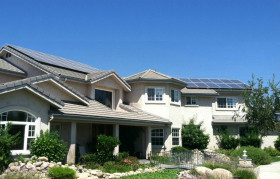

A brown ring on the ceiling often appears a day or two after a storm, just when the house seemed fine. Plenty of Los Angeles homeowners find leaks this way: after the rain stops and the roof looks dry from the street, what you do next matters more than the stain itself. Choosing established roofing companies in Los Angeles over the first crew at your door can decide how long the fix lasts. A few calm checks before anyone signs anything make that choice much easier.
So what sets established roofing companies in Los Angeles apart from a crew that formed last spring? Most of the answer sits in public records, written contracts, and how a roofer explains the problem before naming a price. Below, you will find where to look, what to ask, and the state rules that protect you.
Why Los Angeles Roof Leaks Surface After Heavy Rain
Long dry months let small roof problems sit quietly, so a cracked flashing seam or a few worn shingles cause no trouble in August. Then a strong storm hits, and you see the damage indoors before anyone spots it outside.
Last year showed how sudden that shift can be. The National Weather Service reported 5.53 inches of rain in downtown Los Angeles in November 2025, against a monthly normal of 0.78 inches. It was the wettest November downtown in 58 years. A month like that exposes weak flashing and aging shingles within days.
Here is why speed counts. Water from a leak can soak insulation and drywall long before a stain shows below. The EPA says that, in most cases, mold will not grow if wet materials dry within 24 to 48 hours. That window is short, so the first roofer you call should be one you trust to show up and find the source.
How to Verify a Los Angeles Roofing Contractor’s License and History
Let’s break it down. Any roofer you consider should hand over a license number without hesitation. The Contractors State License Board lets you look it up online for free. Its record shows license status, bond, workers’ compensation coverage, and pending or prior legal actions.
On the license record, check these details:
- The license status reads current and active.
- The classification includes C-39 Roofing.
- A workers’ compensation policy is on file. CSLB says every C-39 roofer must carry it, with or without employees.
- The issue date goes back years, not months.
- Any disclosed complaints appear, with details you can read.
That issue date is probably the most honest measure of “established” you will find. A website can claim any number of years in business, but a state record cannot. Even so, age alone proves little. An older license with a trail of complaints tells a different story than a newer one with a clean history.
One more rule took effect on January 1, 2025. California now requires a contractor’s license for any job worth $1,000 or more, or any job that needs a permit or hired workers. If a repair crosses any of those lines and the bidder has no license, you can skip that bid.
See also: How to Prepare for Your Baby’s First Chiropractic Visit
Questions to Ask Before a Roof Leak Repair in Los Angeles
A useful estimate explains the leak before it explains the price. Picture a homeowner in Mar Vista holding two quotes for the same stain. One roofer spent twenty minutes in the attic and shared photos of a lifted flashing seam near the chimney. The other glanced up from the sidewalk and quoted a full replacement. The second quote may be right, but only the first roofer showed the work behind it.
Before you sign, ask questions like these:
- Where is the water getting in, and how did you confirm it?
- Is this a temporary patch or a permanent repair?
- Does the written contract list the work, materials, total cost, and start and finish dates?
- What warranty covers your labor on this repair?
That second question matters more than it seems. The National Roofing Contractors Association treats emergency repairs as temporary work meant to stop damage from spreading. A permanent repair should follow once conditions allow, so ask which one you are paying for.
Next Steps for Los Angeles Homeowners After a Roof Leak
Your next steps are simple. Take photos of the stain and write down the storm date. After that, look up every roofer’s license before anyone climbs onto your roof. Get the scope, materials, and price in writing, and keep those papers together in one folder.
Once the repair wraps up, think about next season. NRCA recommends roof inspections at least twice a year, preferably in spring and fall, plus extra checks after severe weather. In Los Angeles, a fall visit lands just before the wet months. NRCA also suggests keeping a written history of your roof, starting with the original contract.
A leak is stressful, and the urge to hire whoever answers first makes sense. Still, a few minutes with public records and a short list of questions can separate a lasting repair from a repeat visit next winter. Homeowners who check before they sign tend to face fewer surprises on the ceiling.
